

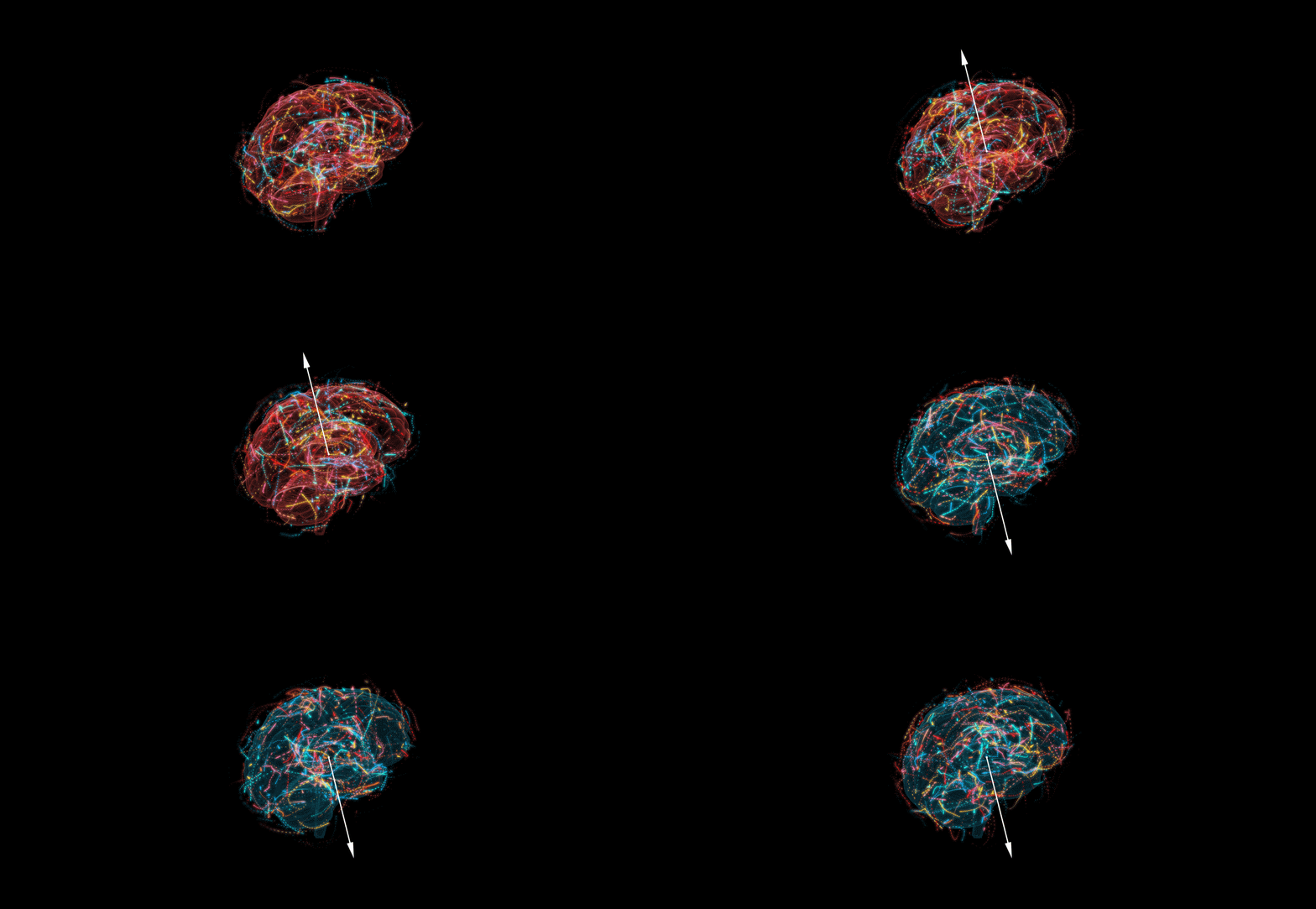
Quantum Effects in neuroscience
When Classical Physics Cannot Explain Neural Data
Quantum biology is an emerging scientific discipline that studies the possible role of quantum phenomena (such as tunneling coherence, entanglement) in biological processes and in particular essential biological functions. Quantum coherence has been measured in photosynthesis, quantum tunnelling in enzyme catalysis, radical pair mechanisms in avian magnetoreception. These are established findings (Marais, A., et al., 2018).
In neurosicence, the concept of quantum mechanics was introduced in a speculative way as “quantum consciousness”, by physicist Roger Penrose and anaesthesiologist Stuart Hameroff, positing that consciousness would arise from “quantum computations within microtubules”. As the reader will see later in this post, I am quite open to new concepts and theories, but I never considered this theory as serious…
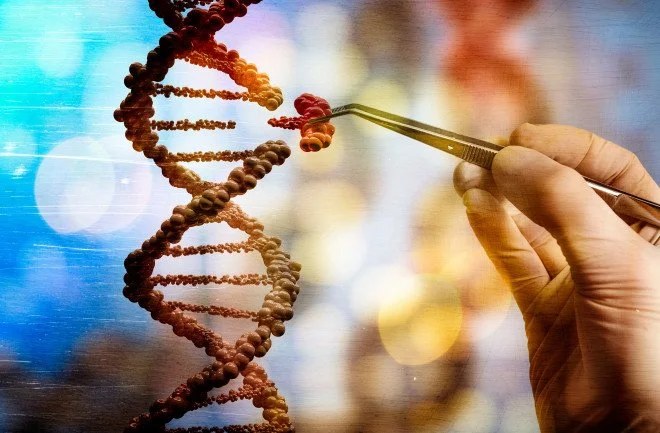
CRISPR Gene Editing Proliferates
CRISPR sequences were first observed in 1987 by Japanese scientist Yoshizumi Ishino and colleagues whilst studying E. coli, though their function remained unclear[1]. The term "CRISPR" was coined in 2002, and by 2005 researchers proposed these sequences constituted a bacterial immune system against viruses[2].
The transformative breakthrough came in 2012 when Emmanuelle Charpentier (Umeå University) and Jennifer Doudna (UC Berkeley) demonstrated that CRISPR-Cas9 could be reprogrammed to cut any DNA sequence at predetermined sites[3]. Working independently, Virginijus Šikšnys at Vilnius University reached similar conclusions[4]. This convergence of discovery—simplifying bacterial defence into programmable "genetic scissors"—earned Charpentier and Doudna the 2020 Nobel Prize in Chemistry, awarded less than eight years after their initial publication[5].
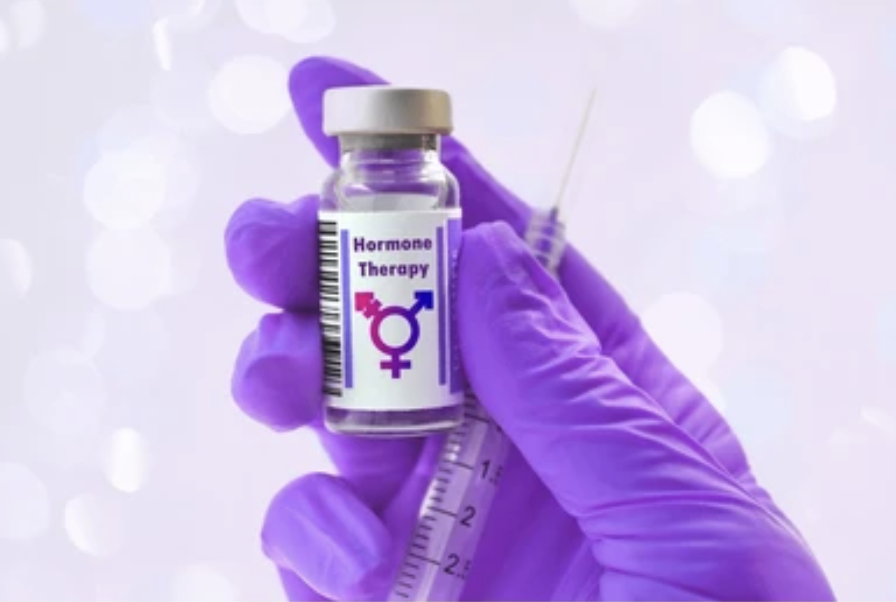
The Effects of Gender-Affirming Hormone Therapy on Health
Gender-affirming hormone therapy (GAHT), also known as cross-sex hormone therapy, involves the administration of sex hormones—oestrogen with anti-androgens for transfeminine individuals, or testosterone for transmasculine individuals—to align secondary sexual characteristics with gender identity. This post examines the documented physiological effects and mental health outcomes based on available clinical evidence.
Seven Key Principles for Building Better Models
Most machine learning tutorials focus on technical procedures—training loops, validation strategies, hyperparameter tuning. These are essential, but they're not sufficient. Below are seven principles that underpin effective modelling but rarely appear in standard curricula. They draw from cognitive science, epistemology, and practical experience building models that must actually work

Why Stories Heal: The Neuroscience of Storytelling Therapy
Evidence that our brains are hardwired for narrative
Oral transmission of knowledge through storytelling is a pillar institution in many cultures—African griots, Indigenous storytellers, religious parables, political oratory. This isn't accidental. Speech is a specifically human skill, and the narrative format appears uniquely suited to how our brains process, retain, and respond to information.


How to Improve Cognitive Performance
The answer isn't brain training apps. It's simpler—and harder.

SARS-CoV-2 RNA Can Be Reverse-Transcribed and Integrated Into Human Genome
Two studies challenge the central dogma assumption

Historical Step in Biomedical Sciences: Limb Regeneration in a Non-Regenerative Species
Not science fiction. Not importing genes from salamanders. Actual functional limb regrowth in adult frogs.

The Primatology of Gossip
Why we're obsessed with celebrities: an evolutionary perspective

Water and its Atypical Physical Properties: The Mpemba Effect
Water holds a key role in many spiritualities and cultures, maybe in all of them. It is also a substance that has been challenging Physics since the advent of modern science and analytic methods. Here I present the discovery by a young Tanzanian school boy, Erasto Mpemba, in 1963.


Why Do We Need to Sleep and Dream?
The function of sleep and dreams has been studied for millennia. The oldest texts on these topics come from Ancient Egypt. Today, despite growing experimental and clinical research, we remain far from a coherent, complete picture. We're beginning to understand why we need sleep—its importance is becoming clear. But dream remains largely a mystery.

Can We Control the Brain Remotely and Influence Behaviour?
In 2016, the Guardian published an article about the experimental remote control of mice brain using a protein called “Magneto” and another technique using heated nanoparticles. What is the aim of these research programmes in neuroscience? Can we really control the brain remotely and to which extent?

Synthetic Chemistry in Ancient Egypt
Evidence that Ancient Egypt were using synthetic chemical compounds for their cosmetics - 2000 BC .

Tassili n'Ajjer, in Sahara, the biggest prehistoric cave art museum in the world
8,000 years of human history recorded in stone, deep in the Sahara

Evidence accumulates showing trans-Atlantic trade/travel by Ancient Egyptians
3,000+ years before Columbus: tobacco, cocaine, and cultural signatures across the Atlantic

The Piri Reis Map
A map dating from 1513 showing Antarctica almost 300 years before it was discovered (officially in 1820), but not only. Antarctica is represented without its ice cap. Plus the South American and African continents are correctly aligned in terms of their longitudinal positions. The author said he compiled several existing maps, but his sources are still debated.
